Top Ad 728x90

jeudi 8 octobre 2026

They found him and tried to rescue him, but this.…See more

by


They Found Him and Tried to Rescue Him, But This… See More

It started with a discovery that no one expected. Deep in a remote area, a group of locals stumbled upon a figure who looked weak, exhausted, and in desperate need of help. What happened next has since captured attention online—but the full story reveals more than just a shocking moment. It highlights the complexity of rescue, survival, and human reaction under pressure.

The Unexpected Discovery

According to early reports, the man had been missing for days—possibly longer. When he was finally found, his condition raised immediate concern. Thin, disoriented, and barely responsive, he appeared to have endured extreme circumstances.

Without hesitation, those who found him attempted to help.


see continuation on next page

The Rescue Attempt

The group acted quickly, offering water, food, and reassurance. They tried to guide him to safety, speaking calmly and carefully. At first, it seemed like the situation was under control.

But then, something unexpected happened.

A Sudden Turn

Instead of cooperating, the man reacted unpredictably. Witnesses described confusion, fear, and resistance. He pulled away, refusing assistance, and at times appeared overwhelmed by the very people trying to save him.

Moments like these are often misunderstood—but they are not uncommon.

Understanding the Reaction

When someone experiences extreme stress, isolation, or trauma, their mind can shift into survival mode. In such cases:

  • Trust becomes difficult
  • Fear overrides logic
  • Even help can feel threatening

The man’s reaction may not have been rejection—it may have been a psychological response to everything he had endured.


UNBELIEVABLE: Taxi driver found a young drug addict... See more

by


After learning this man’s story, you’ll realize that life always gives you a second chance to make the necessary changes to improve your life. It’s important that you take a few minutes to admire this man, both then and now.

The story is about Raúl, a homeless man who lived on the streets, leading a life of dependency and wasting his youth on bad times until this beautiful angel appeared and gave him the blessing of his life. So watch this story and be very careful.

SB. The search for 18-year-old comes to an end after days of missing; Found inside u…

by


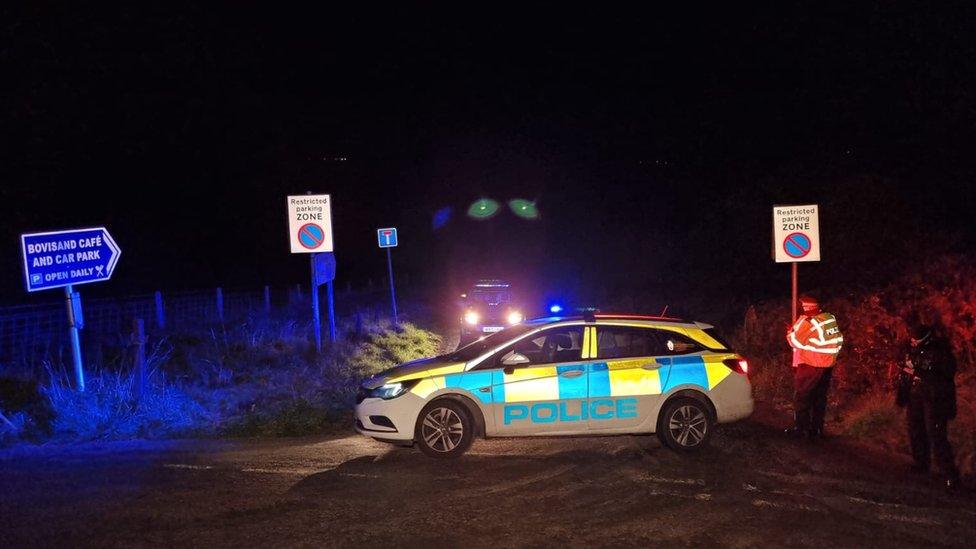
Authorities have confirmed that the search for an 18-year-old who was reported missing has come to a somber conclusion after the individual was located inside a vehicle. The confirmation, released by law enforcement officials, has brought profound grief to the family, friends, and community members who had spent days hoping for a positive outcome.

The discovery followed an extensive search effort involving local authorities, volunteers, and community organizations. Officials have stated that the case remains under active investigation as they work to establish the circumstances surrounding the disappearance and subsequent discovery.

Timeline of the Disappearance

The 18-year-old was reported missing after family members became concerned when contact was lost and the individual failed to return as expected. According to authorities, a missing person report was filed promptly, allowing law enforcement to begin coordinated search efforts.

Police departments often rely on time-sensitive information in such cases, including last known locations, vehicle descriptions, and digital data when available. In this instance, authorities confirmed that multiple leads were followed over several days as part of standard missing-person protocols.

Discovery of the Vehicle

Law enforcement officials confirmed that the individual was located inside a vehicle found in a less-traveled area. The vehicle matched details previously provided to investigators. Authorities have not released specific location details, citing the ongoing nature of the investigation and respect for the family’s privacy.

At this stage, officials have emphasized that no conclusions have been drawn publicly regarding the cause or contributing factors. Standard procedures include scene documentation, forensic examination, and coordination with medical professionals before final determinations are made.

Investigation Status

Authorities have stated that the investigation remains active. In cases of this nature, investigators typically review several elements, including:

  • Timeline reconstruction

  • Vehicle and environmental conditions

  • Communication records, where legally permissible

  • Interviews with individuals who may have had recent contact

Officials have clarified that further information will be released only after findings are verified through established investigative processes. This approach helps ensure accuracy and prevents the spread of misinformation.

Bobbi-Anne McLeod: Body found in search for missing 18-year-old - BBC News

Community Response and Search Efforts

The disappearance prompted a significant response from the local community. Volunteers assisted by distributing information, participating in organized search efforts, and sharing official updates issued by authorities. Community organizations and local leaders also played a role in coordinating resources and providing logistical support.

Such collective action is common in missing-person cases, particularly when the individual is young and well known in the area. Authorities acknowledged the public’s assistance and noted that community involvement can be an important factor in search operations.

Bobbi-Anne McLeod: Brother pays tribute to 'beautiful' sister as body found  and two men arrested on suspicion of murder | UK News | Sky News

Family Appeals and Public Support

Prior to the discovery, family members had made public appeals for information, sharing verified details provided by law enforcement in an effort to locate their loved one. These appeals were widely circulated, reflecting the concern and compassion of the broader community.

Following the official confirmation, messages of condolence and support began to appear across social platforms. Friends and acquaintances shared memories and expressed sympathy, emphasizing the impact the young individual had on those around them.

Emphasis on Accuracy and Sensitivity

Officials and local leaders have urged the public to rely on confirmed information from law enforcement rather than speculation. In sensitive situations involving loss of life, accuracy is critical to protect the integrity of the investigation and to respect the family’s privacy.

Authorities have also cautioned against sharing unverified claims or assumptions, noting that incomplete information can cause additional distress to those affected.

Không có mô tả ảnh.

Support for the Family and Community

In the aftermath of the confirmation, attention has shifted toward supporting the grieving family. Community organizations, faith groups, and counseling services often step in during such times to provide emotional and practical assistance.

Local officials have highlighted the importance of mental health resources, particularly for young people and those closely affected by the loss. Schools and community centers may offer counseling or support sessions as part of broader outreach efforts.

Broader Context of Missing-Person Cases

Cases involving missing young adults underscore the challenges faced by families and authorities alike. Law enforcement agencies across the country follow established procedures designed to locate missing individuals as quickly as possible, while balancing investigative integrity and public communication.

Experts note that early reporting and cooperation between families, communities, and authorities are essential components of effective response efforts.

Ongoing Updates

Authorities have stated that additional information may be released once investigative steps are completed and findings are confirmed. Until then, officials continue to ask anyone with relevant, verified information to contact law enforcement directly.

The case serves as a reminder of the importance of community awareness, responsible information sharing, and compassion during times of uncertainty and loss.

Conclusion

The confirmed discovery of the missing 18-year-old has brought a painful end to days of uncertainty for family, friends, and community members. While the investigation remains ongoing, authorities are committed to determining the circumstances surrounding the case through careful and methodical review.

As the community mourns, focus has turned toward supporting those affected and honoring the life of a young individual whose absence is deeply felt. Officials continue to emphasize patience, respect, and reliance on verified information as the investigation proceeds.

BREAKING:TRUMP ANNOUNCES THAT IRAN HAS … more in comments

by


BREAKING: Trump Announces Tough New Position on Iran — What It Could Mean for the Next Phase of the Conflict

A dramatic headline circulating online says:


“BREAKING: TRUMP ANNOUNCES THAT IRAN HAS … MORE IN COMMENTS.”


The missing words are doing much of the work.


Instead of explaining exactly what happened, the headline invites readers to click, react and search through the comments for the rest of the story.


That is especially risky when the subject is the United States, Iran, President Donald Trump and a conflict that has already produced enormous military, political and economic consequences.


There is, however, a genuine and significant development behind the latest wave of Trump-Iran headlines.


Trump has taken a tougher position in the negotiations, saying that if Iran is demanding compensation for damage caused during the conflict, the United States will also seek compensation from Iran for deaths, injuries and damage associated with Iranian attacks and Iran-backed violence over decades. The president said he had instructed his representatives to include that demand in future negotiations.


At the same time, the future of the Strait of Hormuz remains one of the biggest unresolved issues.


Iran has been demanding compensation and other concessions, while Trump has insisted that the strategically vital waterway must be reopened and that Iran must address the nuclear issue.


The result is a diplomatic confrontation in which neither side appears ready to simply accept the other’s terms.


So what exactly is happening?


And why could the next few weeks be among the most consequential moments of the conflict?


A Conflict That Has Changed the Middle East

The confrontation between Washington and Tehran has evolved dramatically.


What began as a dispute over Iran’s nuclear program expanded into a much broader military and diplomatic crisis.


The United States and Israel have carried out attacks against Iranian targets.


Iran has retaliated against American and regional targets.


The Strait of Hormuz has become a central part of the confrontation.


And diplomacy has repeatedly appeared close to producing an agreement before breaking down again.


That uncertainty has created enormous pressure.


For Washington, the challenge is to achieve its stated objectives without becoming trapped in an open-ended conflict.


For Tehran, the challenge is to survive military pressure while protecting its strategic interests and extracting the best possible terms from negotiations.


And for countries around the world, the concern is that any further escalation could disrupt energy markets, shipping and regional security.


Why the Strait of Hormuz Matters

The Strait of Hormuz is one of the world’s most important energy chokepoints.


A huge amount of global oil and liquefied natural gas normally passes through the waterway.


That makes any prolonged disruption potentially significant far beyond the Middle East.


Ships cannot simply ignore the strait.


Alternative routes exist, but they are limited and often more expensive.


As a result, uncertainty over the waterway can affect energy prices, transportation costs, insurance markets and inflation expectations.


That is why Trump’s latest statements about negotiations repeatedly return to Hormuz.


Washington wants the waterway reopened.


Tehran has sought guarantees and compensation.


And neither side wants to appear to be surrendering under pressure.


Trump Says Iran Should Pay

The latest development is particularly notable because Trump has turned Iran’s demand for compensation back against Tehran.


According to reporting on Trump’s remarks, Iranian officials have sought compensation for damage caused by American and Israeli attacks.


Trump responded by saying that if compensation is going to be part of the discussion, Iran should compensate Americans and others for damage and deaths attributed to Iran and Iran-backed groups.


He said he had directed his representatives to make that position part of future negotiations.


Access Writing Tools

That creates an entirely new negotiating battlefield.


Instead of simply discussing a ceasefire or the reopening of the Strait of Hormuz, the parties could end up arguing over financial claims dating back decades.


Those claims are politically powerful.


They are also extraordinarily difficult to resolve.


The Long History Behind the Argument

Trump’s references to Iranian responsibility stretch far beyond the current conflict.


The United States has long accused Iran and Iran-backed organizations of involvement in attacks that killed or injured American personnel.


Among the incidents cited by the U.S. government are the 1983 bombing of the Marine barracks in Beirut, the 1996 Khobar Towers bombing in Saudi Arabia and attacks on U.S. forces in Iraq.


The Trump administration argues that Iran should bear financial responsibility for losses connected with those conflicts.


Iran, meanwhile, argues that the United States and Israel have caused enormous destruction inside Iran during the current conflict.


Each side therefore sees itself as having legitimate claims against the other.


That creates a major obstacle to diplomacy.


A negotiation becomes much harder when both parties believe the other owes them compensation.

Iran’s Position

Iran has not simply accepted Trump’s demands.


Tehran has its own list of conditions.


The Strait of Hormuz is at the center of many of them.


Iranian officials have argued that reopening the waterway cannot be separated from broader questions concerning compensation, sanctions and the future security relationship between Iran and the United States.


Recent reporting has also indicated that Iran has been discussing arrangements involving Oman concerning the waterway. Those discussions have been described as separate from a comprehensive U.S.-Iran peace agreement.


That distinction is important.


A temporary arrangement allowing safer passage through Hormuz would not necessarily mean that Washington and Tehran had solved their larger disagreements.


It could simply provide breathing room.


And breathing room may be exactly what both sides need.


Trump Says the United States Can Escalate

While emphasizing negotiations, Trump has not abandoned the military option.


Speaking recently about Iran, Trump said the United States retains the ability to escalate its actions.


His message was essentially that diplomacy remains available, but Washington is not without alternatives if negotiations fail.


This dual approach has characterized Trump’s handling of the conflict.


He has repeatedly threatened severe consequences while also expressing optimism that a deal can be reached.


To supporters, that is strategic pressure.


To critics, it can appear unpredictable.


Either way, the message is clear:


Trump wants Iran to believe that refusing a deal carries significant consequences.


The Problem With “Breaking News” Headlines

This is where the viral headline deserves careful attention.


“BREAKING: TRUMP ANNOUNCES THAT IRAN HAS…”


What has Iran actually done?


Has Tehran agreed to a deal?


Has it agreed to reopen Hormuz?


Has it accepted American demands?


Has it surrendered its nuclear ambitions?


Has it agreed to compensation?


The truncated headline does not tell readers.


That is precisely why readers should be cautious.


The latest verified reporting does not establish a brand-new Iranian capitulation matching every sensational version of this headline.


Instead, it shows that negotiations remain complicated and that both sides continue to make demands.


There Has Already Been a Deal Announcement

One reason these headlines can be confusing is that major announcements have already occurred during the conflict.


In June, Trump announced that a deal with Iran had been completed and authorized the reopening of the Strait of Hormuz and removal of the U.S. naval blockade.


But subsequent events demonstrated how difficult implementation could be.


Iran and the United States continued to disagree about the terms and sequencing of the agreement.


Later negotiations again became uncertain.


This history is important because it demonstrates that a presidential announcement does not necessarily mean every part of an agreement has immediately been implemented on the ground.


In a complicated international negotiation, announcements can be followed by disputes over interpretation, enforcement and timing.


Diplomacy Has Been Stop-and-Start

The pattern has repeated throughout the conflict.


One day, Trump suggests negotiations are close.


The next day, Iranian officials deny that a final agreement exists.


One side announces progress.


The other side emphasizes unresolved differences.


Then mediators step in.


Oman has played an important role in facilitating communications.


Pakistan has also been involved in diplomatic efforts.


Other regional governments have attempted to encourage a settlement.


The result has been a diplomatic process that repeatedly appears to move forward and backward.


That does not necessarily mean diplomacy is failing.


It can also mean the two sides are negotiating over extremely difficult issues.


Why Nuclear Weapons Remain Central

The nuclear issue remains one of Washington’s most important concerns.


Trump has repeatedly said Iran must not obtain a nuclear weapon.


That position has been a central component of the conflict.


Iran has historically insisted that its nuclear activities are peaceful, while the United States and its allies have expressed concerns about the potential for Iran to develop a nuclear weapon.


The disagreement becomes especially difficult because nuclear capabilities cannot simply be discussed in isolation.


Missile programs, enrichment, inspections, sanctions and regional security all become part of the broader negotiation.


Washington wants restrictions that it believes will permanently prevent an Iranian nuclear weapon.


Tehran wants guarantees that it will not be permanently subjected to economic pressure while surrendering strategic capabilities.


Those objectives are difficult to reconcile.


The Economic Stakes Are Enormous

The conflict isn’t only about military strategy.


It is also about money.


Iran’s economy has suffered under years of sanctions and isolation.


The United States wants leverage over Tehran.


Iran wants sanctions relief and access to international markets.


The Strait of Hormuz affects global energy prices.


Every additional day of disruption can create economic pressure.


For consumers around the world, higher energy costs can eventually translate into higher prices for transportation, manufacturing and everyday goods.


That means a diplomatic agreement could have consequences far beyond Washington and Tehran.


A stable Hormuz could reduce uncertainty.


A prolonged confrontation could increase it.


What Happens if Hormuz Remains Closed?

This is one of the biggest questions facing policymakers.


If the waterway remains severely restricted, shipping companies may seek alternative routes where possible.


But alternatives cannot fully replace Hormuz.


Longer routes increase transportation time and costs.


Insurance becomes more expensive.


Energy markets become more volatile.


Governments may need to draw on strategic reserves.


Businesses may begin planning around prolonged disruption.


And consumers may eventually feel the impact.


That is why reopening the waterway is not merely a symbolic demand.


It is a global economic issue.


What Would a Successful Agreement Look Like?

A durable agreement would likely need to address several interconnected questions.


First, the nuclear issue.


Second, the Strait of Hormuz.


Third, sanctions.


Fourth, military activity.


Fifth, compensation and reconstruction.


Sixth, regional security.


Seventh, mechanisms for verifying compliance.


The seventh issue may be the most important.


Even if Trump and Iranian leaders announce an agreement, the deal needs mechanisms to ensure both sides actually comply.


Who verifies it?


What happens if one side claims the other has violated the agreement?


What penalties apply?


How quickly can disputes be resolved?


Without answers, even a major agreement could become unstable.

The Role of Oman

Oman has repeatedly served as an intermediary between Washington and Tehran.


Its geographic position and diplomatic relationships make it particularly valuable.


Recent reporting indicates that Iran has been working with Oman on arrangements concerning the Strait of Hormuz.


Oman’s role may become increasingly important if direct U.S.-Iran communications remain difficult.


A mediator can carry proposals without either side having to publicly concede that it is negotiating with the other.


That can make diplomacy easier.


It also provides both governments with political cover.


The Risk of Miscalculation

The most dangerous aspect of the current situation may not be an intentional decision to start a larger war.


It may be miscalculation.


A military movement could be interpreted as preparation for an attack.


A warning could be interpreted as an ultimatum.


A drone incident could trigger retaliation.


A shipping confrontation in Hormuz could escalate unexpectedly.


When forces are operating in close proximity, even a relatively small incident can become much larger.


That is why communication channels matter.


Even governments that deeply distrust each other need ways to communicate during a crisis.


What Trump Wants

Trump’s public statements indicate several priorities.


He wants Iran prevented from obtaining a nuclear weapon.


He wants the Strait of Hormuz reopened.


He wants Iran to accept a settlement that Washington considers favorable.


And he has increasingly emphasized compensation as part of any future negotiations.


At the same time, Trump wants to avoid an indefinite military commitment.


That creates a difficult balancing act.


He needs to maintain pressure without making diplomacy impossible.


He needs to demonstrate strength without creating a war that becomes more expensive and difficult to end.


And he needs to convince Iran that compromise is preferable to continued confrontation.


What Iran Wants

Iran’s priorities are different.


Tehran wants security from further attacks.


It wants relief from sanctions and economic pressure.


It wants compensation for damage caused during the conflict.


It wants to preserve some measure of sovereignty over its nuclear and military capabilities.


And it wants guarantees against future American or Israeli attacks.


The biggest challenge is that many of those goals conflict directly with Washington’s demands.


That is why negotiations have been so difficult.


The Question of Trust

Perhaps the biggest obstacle is trust.


Washington does not trust Tehran to permanently abandon activities that could lead to a nuclear weapon.


Tehran does not trust Washington to honor long-term commitments.


That problem has existed for decades.


Every broken agreement or military escalation reinforces it.


Even a signed document cannot automatically create trust.


Trust must be built through verification and repeated compliance.


That is likely to be the central challenge of any future settlement.


What Americans Should Watch Next

For Americans, several developments deserve close attention.


First, whether negotiations actually resume.


Second, whether Iran and Oman reach a workable arrangement concerning Hormuz.


Third, whether the United States modifies its demands.


Fourth, whether Iran modifies its own conditions.


Fifth, whether military activity increases or decreases.


Sixth, whether energy prices react to developments in the waterway.


And seventh, whether either side announces a formal agreement that can be independently verified.


These developments will tell us far more than a viral headline.


What the World Should Watch

International observers should also monitor the reaction of America’s allies.


European governments have an interest in preventing a prolonged regional conflict.


Gulf states have an enormous economic interest in keeping shipping lanes open.


Asian economies depend heavily on energy flows through the region.


China, India, Japan and South Korea are among the major economies exposed to disruption in Middle Eastern energy markets.


A prolonged crisis could therefore become a global economic problem.


Why the Next Negotiations Matter

The next stage could determine whether the conflict moves toward stabilization or another round of escalation.


If the parties can establish a workable arrangement for Hormuz, they may create the breathing room needed for broader negotiations.


If they cannot, pressure will increase.


That could mean more sanctions.


More military threats.


Higher energy prices.


And potentially more fighting.


The stakes are therefore enormous.


Don’t Let the Headline Make the Story

The most important lesson from the latest viral headline is simple:


Don’t let an incomplete headline determine what you believe happened.


The phrase “Iran has…” could be followed by almost anything.


A surrender.


A deal.


A concession.


A threat.


A new demand.


Or something completely unrelated.


Without the missing information, readers cannot know.


What we can establish from current reporting is that Trump has hardened his negotiating position by demanding compensation from Iran while maintaining pressure over the Strait of Hormuz and the nuclear issue.


Iran, meanwhile, continues to pursue its own demands and has been working through diplomatic channels involving Oman.


That is a significant story on its own.


It does not need exaggerated claims.


The Road Ahead

There are several possible outcomes.


The first is a negotiated settlement.


The two sides could reach a compromise involving Hormuz, nuclear restrictions, sanctions and compensation.


The second is a temporary agreement.


The parties could establish limited arrangements without resolving the larger conflict.


The third is prolonged stalemate.


Negotiations could continue without producing a comprehensive agreement.


The fourth is renewed escalation.


If either side concludes that diplomacy is no longer productive, military pressure could increase.


The consequences of the fourth scenario would be substantial.


A Moment That Could Define Trump’s Foreign Policy

For Trump, the Iran confrontation could become one of the defining foreign-policy challenges of his presidency.


If he achieves a durable agreement that prevents Iran from obtaining a nuclear weapon and stabilizes the Strait of Hormuz, his supporters will portray it as proof that pressure works.


If negotiations collapse and the conflict continues indefinitely, critics will argue that the strategy failed to produce a sustainable outcome.


Either way, the result will become part of Trump’s historical record.


For Iran’s leadership, the stakes are equally high.


The government must demonstrate that it can withstand pressure while protecting national interests.


Any concession that is perceived domestically as surrender could create political problems.


That makes compromise difficult.


The Human Cost

Behind all the strategy are ordinary people.


Families in Iran.


American military personnel.


Workers in Gulf countries.


Sailors navigating dangerous waters.


People facing higher fuel prices.


Communities living near military targets.


A prolonged conflict is not an abstract geopolitical game for them.


It affects homes, jobs, safety and futures.


That is why diplomatic solutions matter.


The objective of diplomacy should not simply be to produce an impressive announcement.


It should be to reduce the chance that people are killed and to establish conditions that can survive political changes.


Final Thoughts

The viral headline claiming that Trump has announced that “Iran has…” leaves out the most important part of the story.


But the verified developments are already significant.


Trump has responded to Iranian demands for compensation by saying that Washington will also seek compensation from Iran for deaths, injuries and damage attributed to Iranian actions over the decades. He has instructed his representatives to make that position part of future negotiations.


Access Writing Tools

At the same time, the Strait of Hormuz remains a central point of contention.


Iran has been seeking arrangements through Oman, while the United States continues to insist that the waterway must be reopened and that the nuclear issue must be addressed.


Trump has also made clear that the United States retains the ability to escalate militarily if diplomacy fails.


That leaves the region at a critical crossroads.


The question is no longer simply whether Washington and Tehran can talk.


They have demonstrated that they can.


The harder question is whether they can transform those conversations into an agreement that both sides can accept—and, more importantly, actually implement.


For now, the answer remains uncertain.


The next stage will depend on whether the two governments can overcome their enormous differences over nuclear restrictions, sanctions, Hormuz, compensation and regional security.


One thing, however, is already clear:


The Iran crisis is far from settled.


And anyone following the story should look beyond the dramatic “BREAKING” headline and examine what has actually been confirmed.


In a conflict this consequential, facts matter more than clicks, comments or sensational claims.


The coming negotiations may determine not only the future of U.S.-Iran relations, but also the security of the Persian Gulf, the stability of global energy markets and the direction of Middle Eastern geopolitics for years to come.


10 Warning Signs Your Kidneys May Not Be Working Properly...see more

by


10 Warning Signs Your Kidneys May Not Be Working Properly

The kidneys perform several essential jobs every hour of the day, usually without producing any sensation that people can notice. They filter the blood, remove waste products and excess fluid, help regulate minerals such as sodium and potassium, and contribute to blood-pressure control. The kidneys also produce hormones involved in red blood cell production and bone  health. Because these organs affect so many systems, reduced kidney function can eventually produce symptoms in different parts of the body.

However, symptoms alone cannot determine whether someone has kidney disease, and many people with early chronic kidney disease have no symptoms at all. That last point is particularly important because kidney disease is sometimes described online as something that can easily be identified from a list of warning signs. In reality, chronic kidney disease often develops gradually and may remain unnoticed until it becomes more advanced. A person can feel completely well while blood or urine testing already shows abnormalities.

Conversely, someone may experience fatigue, swelling or urinary changes for reasons unrelated to the kidneys. The purpose of recognizing possible symptoms is therefore not to diagnose yourself but to know when medical evaluation may be appropriate. Doctors commonly evaluate kidney health with blood and urine tests. A blood test can be used to estimate glomerular filtration rate, usually called eGFR, which provides information about how effectively the kidneys are filtering blood.

A urine albumin-to-creatinine ratio, or uACR, can detect excess albumin in the urine, which may indicate kidney damage. These tests are particularly important for people with risk factors such as diabetes, high blood pressure, heart disease or a family history of kidney failure. Early detection can provide an opportunity to address causes and slow further damage. One possible symptom of more advanced kidney disease is persistent fatigue or weakness.

Healthy kidneys produce erythropoietin, commonly called EPO, a hormone that helps signal the bone marrow to produce red blood cells. When kidney function declines significantly, EPO production may decrease and anemia can develop. Anemia means the blood has reduced capacity to carry oxygen effectively to tissues. This can contribute to tiredness, weakness, difficulty concentrating and reduced exercise tolerance. Kidney disease can also cause fatigue through other mechanisms, including accumulation of waste products and disrupted sleep.

The Vatican shakes: It came to light the se… see more

by


Justin Drew Bieber born March 1, 1994) is a Canadian singer. He is recognized for his genre-melding musicianship and global influence in modern-day popular music. Bieber was discovered by American record executive Scooter Braun and signed with RBMG Records in 2008, gaining recognition with the release of his debut seven-track EP My World (2009) and soon establishing himself as a teen idol.

which became one of the best selling singles of all time in the US. His second studio album, Under the Mistletoe (2011), became the first Christmas album by a male artist to debut at number one in the US.

Bieber experimented with dance-pop in his third studio album, Believe (2012), and went on to become the first artist in history with five US number-one albums by the age of 18. From 2013–14, Bieber was involved in multiple controversies and legal issues, which had a drastic impact on his public image.In 2015, Bieber explored EDM with Jack Ü as a lead vocalist on “Where Are Ü Now”, which won the Grammy Award for Best Dance/Electronic Recording. The song’s musical direction played an instrumental role in his fourth studio album, Purpose, which produced three US number-one singles: “Love Yourself”, “Sorry”, and “What Do You Mean?”

He became the first artist in history to occupy the entire top three of the UK Singles Chart. Bieber diversified on numerous collaborations between 2016 and 2017, including “I’m the One” and his remix to “Despacito”—both reaching number one on the US Billboard Hot 100 a week apart, making him the first artist in history to chart new number-one songs in consecutive weeks.

“Despacito” was named the greatest Latin song of all time by Billboard and earned Bieber his career-first Latin Grammy Award. In 2019, he released a country collaboration with Dan + Shay, “10,000 Hours”, which won the Grammy Award for Best Country Duo/Group Performance.

Across these releases, Bieber’s career is marked by a repeated shift in musical setting. The early recordings introduced him to a young pop audience, while later projects placed his voice within dance music and collaborations that reached listeners beyond that initial audience. The progression described here is not confined to a single album or one successful partnership. It runs through several different phases of his recording work.

The contrast between Under the Mistletoe and Purpose illustrates that range. One album worked within the familiar seasonal setting of Christmas music; the other became associated with a run of contemporary pop singles and an electronic influence. Believe occupies another point in that development, reflecting an earlier move toward dance-pop as his career expanded beyond the first wave of teenage success.

Collaboration is another recurring thread. Work with Jack Ü brought his vocals into an electronic production, while the Despacito remix connected him with a major Latin music release. The later recording with Dan + Shay placed him in a country collaboration. These examples show how the same recognizable voice can be presented differently through the performers, production choices, and musical traditions surrounding it.

Taken together, the releases and partnerships trace a career shaped by both continuity and change. The audience first encountered a young singer through My World, but the later catalogue moved through several musical contexts. That ability to participate in different sounds is central to the account of his development from an early teen idol into an artist associated with a broader range of popular music.

A 23-year-old young man died with his children in his arms, asking for... See more

by


His last words stopped everyone cold.

In a quiet neighborhood where nothing ever happens, a 23-year-old father died with his children in his arms—and what he chose to say in those final seconds has broken thousands of hearts.

Neighbors can’t sleep. Friends can’t move on.

He was the kind of man people remember in details: the grease on his hands from long shifts, the tired smile he still found for his kids, the way he knelt to tie a neighbor’s child’s shoe as if they were his own.

His life was small on paper—factory hours, a rented home, secondhand toys—but enormous in the ways that mattered.

Love, for him, was never a speech; it was overtime hours, worn-out boots, and evenings spent chasing giggles in a patch of grass.

Now, in the silence he left behind, his community is trying to live the way he did. The fundraiser is more than money; it’s a promise that his children will never walk alone.

The new foundation is a vow that other young fathers will not have to choose between survival and presence.

His partner plays his lullaby at night, not to cling to the past, but to stitch his love into their children’s memories.

He died young, but the way he held his babies in those last moments turned his short life into something unbreakable—proof that even when a heart stops, the love it carried keeps beating in everyone it touched.

Constructed in 1962 3 Bedrooms, 3 Bathrooms…See more

by


This mid-century modern home in Akron blends architectural character with warm materials and timeless design. Its exterior stands out with clean lines and strong brick elements, giving it a distinctive yet classic presence.

Inside, the home opens into a dramatic living area defined by soaring wood ceilings. The space feels both rich and inviting, creating an immediate sense of comfort upon entry.

Large windows allow natural light to fill the interior while connecting the home to its peaceful outdoor surroundings. This design creates a calm, open atmosphere throughout the main living spaces.

Polished floors and custom details add personality without sacrificing functionality. The layout is thoughtfully designed, making it suitable for both everyday living and entertaining.

The main areas provide flexibility, whether for relaxing quietly or hosting guests. Each space feels intentional, balancing style with comfort.

Bedrooms offer private and comfortable retreats, while bathrooms and shared areas are arranged for practical daily use. The flow of the home supports both privacy and connection.

Outside, landscaped grounds enhance the property’s appeal, adding a sense of beauty and seclusion. The outdoor setting complements the home’s tranquil atmosphere.

Overall, this property is ideal for those who value mid-century design and unique architecture. With its warm interiors and peaceful setting, it offers a memorable place to call home.

SADNEWS: Just in 45 Minutes ago in White House , D.C Trump …

by


 Busy Day in Washington

President Trump was involved in several major policy and economic discussions on Wednesday.

One of the most significant announcements concerned South Korea.

According to Reuters, Trump announced plans for South Korea to invest approximately $200 billion in projects in the United States. The plans include major energy-related investments, including funding connected to the long-discussed Alaska liquefied natural gas project.

The announcement came as the administration continued to focus heavily on trade, energy, manufacturing, and investment.

The White House has also promoted a large steel project in Iowa. The administration said the proposed Mesabi Metallics complex would involve approximately $15 billion in investment and create thousands of jobs during construction and operation.

These developments show why it is important to look beyond a dramatic social-media headline and examine what officials and reliable news organizations have actually reported.

Trump Discusses the Economy

Another major story from the White House involved Trump’s comments about his administration’s economic message.

Reuters reported that Trump said he believed he had done a poor job explaining his economic record to the public.

His comments came as the administration faces concerns about energy prices, tariffs, and consumer confidence.

The economy has become an important issue for the administration as Americans continue to deal with changes in fuel prices and the cost of everyday goods.

Trump has argued that his policies will strengthen American industry and economic activity.

Critics, however, have raised concerns about the effects of tariffs and higher costs.

These competing arguments are part of the continuing political debate in Washington.


Trade and Tariffs Remain a Major Issue

Another significant development on September 30 involved Trump’s tariffs.

The U.S. Court of International Trade heard arguments concerning new tariffs imposed by the administration on imports from dozens of countries.

According to Reuters, the tariffs were introduced under an argument involving efforts to combat forced labor abroad. Businesses and several Democratic-led states are challenging the measures in court.

The Justice Department defended the administration’s approach and argued that the government had conducted sufficient evaluation before imposing the tariffs.

The court has not yet issued its final ruling.

The case could have important consequences for businesses importing products into the United States.

It also demonstrates how presidential trade policies can become the subject of major legal disputes.

Tensions With the Federal Reserve

Another story involving Trump concerns the Federal Reserve.

A government watchdog recently reviewed allegations connected to renovation costs at the Federal Reserve’s Washington headquarters.

Reuters reported that the inspector general found problems with oversight but did not find evidence supporting a criminal referral or administrative misconduct.

Trump has continued to criticize former Federal Reserve Chair Jerome Powell and has called for his resignation.

The dispute reflects the broader tension between the White House and the Federal Reserve over monetary policy and interest rates.

The Federal Reserve is designed to operate independently from direct presidential control, making the issue particularly sensitive.

Why Viral Headlines Can Be Misleading

Headlines such as “SAD NEWS” or “just 45 minutes ago” are designed to create urgency.

They can encourage readers to click before they know what actually happened.

In some cases, the headline may refer to a routine announcement, a political disagreement, or an older story that has been republished.

That is why the date and source of a report matter.

The White House maintains an official record of presidential actions, statements, announcements, and other government information. Its current records show several presidential actions from September 29, including actions concerning artificial intelligence, government services, and environmental policy.

The White House also published a video of Trump delivering remarks on September 29.

None of these records establishes the dramatic event suggested by the viral headline.

The Importance of Checking the Facts

When a political figure is involved, particularly a president, inaccurate information can spread quickly.

A simple way to evaluate a dramatic headline is to check:

  • When was the event actually reported?
  • Who reported it?
  • Does the White House confirm it?
  • Are major news organizations reporting the same event?
  • Does the article provide specific details rather than simply asking readers to click?

These questions can help separate genuine breaking news from attention-grabbing headlines.

What We Know Right Now

The confirmed developments surrounding Trump and the White House on September 30 include major economic and trade discussions, a planned South Korean investment package, continuing tariff litigation, and Trump’s public comments about his administration’s economic message.

There is no verified information in the sources checked that supports the claim of a sudden personal tragedy involving Trump described by the viral “SADNEWS” headline.

For readers, the most important lesson is simple: dramatic wording does not necessarily mean a dramatic event has occurred.

When news is genuinely breaking, reliable reporting usually provides clear information about what happened, when it happened, and which authorities or witnesses have confirmed it.

Until those details are available, it is better to treat sensational headlines with caution.